
Inside Yoga Therapy: A Sneak Peek at Breath Assessment Techniques
Viviane Wolfe | NOV 24, 2024
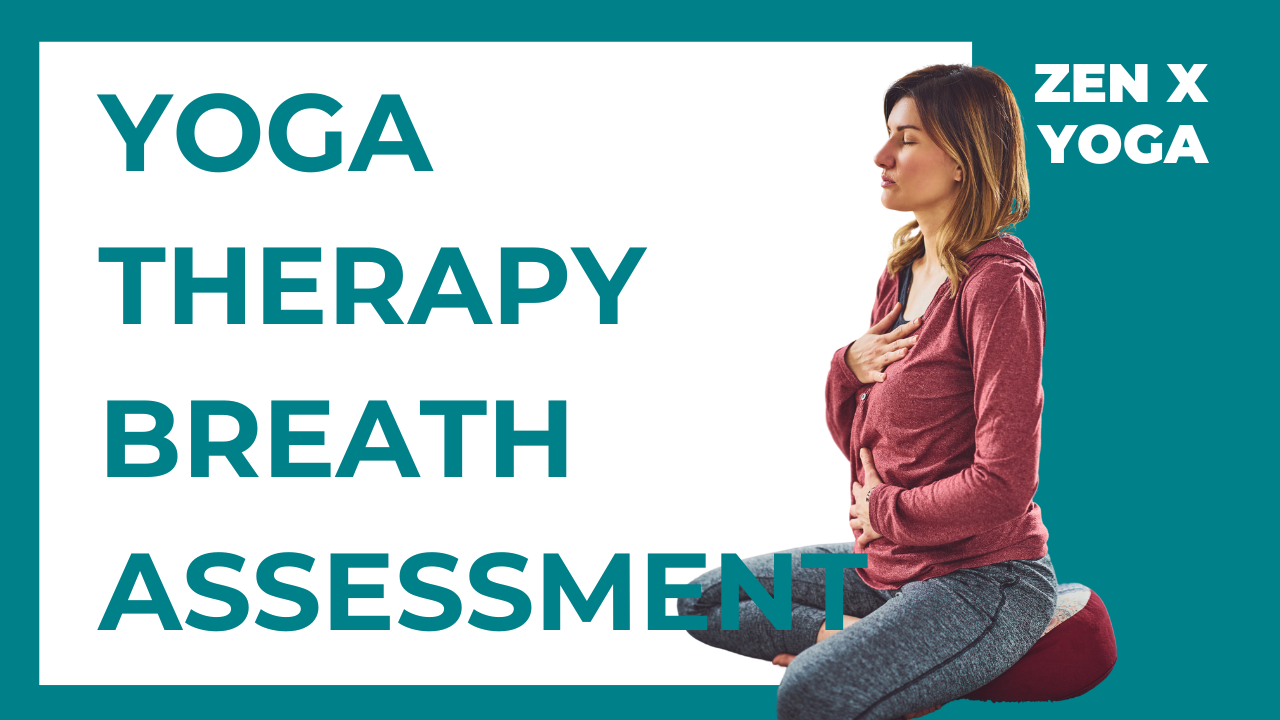
Inside Yoga Therapy: A Sneak Peek at Breath Assessment Techniques
Welcome, friends! If you're navigating the stages of menopause and curious about how yoga therapy can support you, you're in the right place. At Zen X Yoga, my mission is to help you uncover tools for a more empowered and balanced life. Today, we’re diving into the powerful connection between your breath, your mind, and your body—an essential focus in yoga therapy. Curious to see this in action? Check out the full video here for an interactive session on breath assessment and techniques.
Why Focus on Breath in Yoga Therapy?
Many people come to yoga expecting challenging poses, but the most transformative aspect often lies in breath awareness. Breath is a bridge between the mind and body. By observing and refining it, we gain insights into our mental state, energy levels, and overall well-being. During a yoga therapy session, assessing the breath provides a wealth of information that helps tailor practices to individual needs, from improving sleep to managing menopause symptoms like hot flashes or fatigue.
What Happens in a Breath Assessment?
In the video, I demonstrate what a breath assessment entails, and here’s a glimpse:
Preparing for Your Session
- Comfortable Clothing and Lighting: Wear clothes that allow your breath and movements to be visible. Ensure the lighting allows the yoga-therapist to observe you clearly.
- Positioning: We explore breath patterns in both seated and lying-down positions, as each reveals unique insights.
Observing the Breath
- Seated Observation: Sitting comfortably with shoulders relaxed, I guide clients to focus on their natural breath. Questions like, “Where do you feel your breath the most?” and “Does any part of the body feel restricted?” help pinpoint areas of tension or disconnection.
- Hands-On Awareness: Clients may place their hands on areas like the collarbones or ribcage to “send” breath to those spaces, fostering greater awareness and ease.
Gentle Breath Holds
- Inhalation Hold: Taking a deep breath in, pausing at the top, and observing sensations.
- Exhalation Hold: Exhaling fully, holding, and noting how the body responds.
These exercises help assess breath control and capacity, both vital for tailoring practices to specific goals.
The Lying-Down Experience
When lying down, the breath often shifts, offering different insights:
- Supported Posture: Using props like a folded blanket enhances comfort and facilitates deeper breathing.
- Observing New Patterns: I guide clients to notice differences in breath movement and ease compared to the seated position.
For instance, I noticed fullness in my breath when sending it to tight spaces between my shoulder blades, demonstrating how intentional breathwork can create profound shifts.
From Assessment to Action
After the assessment, we discuss observations and determine the best pranayama (breathing) practices to meet your goals. Whether you’re aiming to reduce stress, improve energy, or enhance sleep quality, there’s a tailored technique for you.
Ready to Explore Your Breath?
If this resonates with you, I’d love to guide you through your own breath assessment. Sign up for a free consultation here to uncover insights about your breath and receive personalized recommendations. And don’t forget to watch the full video for a step-by-step demonstration—join me in exploring how your breath can be a powerful tool for transformation.
Until next time, take care of yourself and breathe easy.
Viviane Wolfe
P.S. Want more free classes, challenges, sneak peeks and community? Join the Zen X Yoga Circle for peri/menopause yogic guidance delivered to your inbox, along with monthly meetups and more! https://www.vivianewolfeyoga.com/pages/zen-x-yoga-circle
Viviane Wolfe | NOV 24, 2024
Share this blog post

Zen-X Yoga | Viviane Wolfe, C-IAYT
CONTACT
© 2026 Zen-X Yoga | Viviane Wolfe, C-IAYT